
Two Icons, One Legacy
Kawasaki Aircraft Co., Ltd. had been manufacturing high-performance airplanes since before World War II. Kawasaki motorcycles, with roots in the aircraft industry, were built in pursuit of the ultimate in all aspects of performance, including speed, manoeuvrability, and durability—as were Kawasaki aircraft.
In 1924, roughly one whole century ago, “Meguro” came about: a brand producing large-displacement, high-performance, high-quality motorcycles that would become objects of admiration for Japanese riders of the time.
When the master of the skies, Kawasaki Aircraft, and a renowned land vehicle manufacturer, Meguro, came together, the result was the birth of the now-famous “W.”
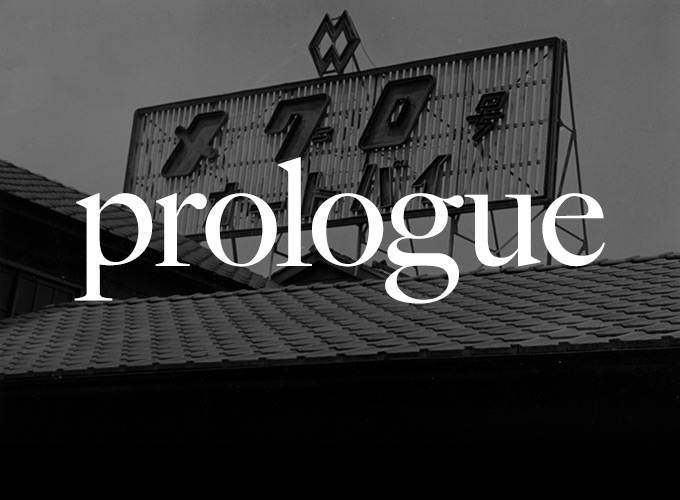
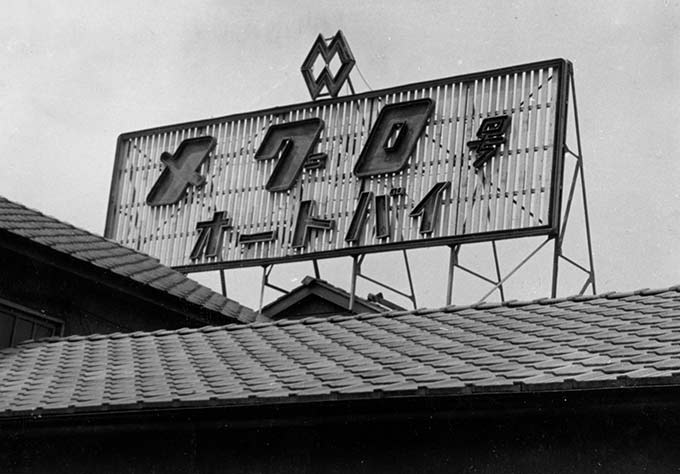
Meguro (Meguro Manufacturing Company) was founded in 1924 by two innovators, Nobuji Murata and Mr.Suzuki, in Meguro Town in what was then Tokyo’s Osaki Ward (present-day Shinagawa Ward). In 1928, four years after the company's founding, it became the first in Japan to produce transmissions for three-wheeled vehicles, earning it a high reputation as a transmission manufacturer. In the early 1930s, Meguro completed production of a 498 cm3, air-cooled, 4-stroke OHV, single-cylinder engine. Then, in 1937, the company began production of the first Meguro motorcycle, the Z97. Shortly after, Meguro began producing complete motorcycles in earnest.
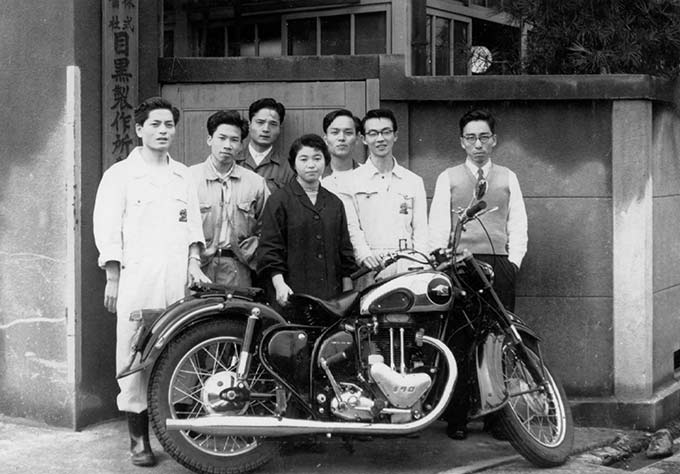

Meguro’s first production model was the Type Z97. The “Z” in the name came from the prewar Japanese navy flag representing “encouragement,” while the “97” came from the year 2597, the year measured from Emperor Jinmu’s accession to the throne (corresponding to 1937). Powering the Type Z97 was a 498 cm3, air-cooled, 4-stroke OHV, single-cylinder engine with a bore x stroke of 82 x 94 mm and a 3-speed, right-side shift transmission. It produced 11 PS at 3,600 min-1 and reached a maximum speed of 80 km/h. It became known for its high performance, and in 1939 it was adopted for use as a police motorcycle in Japan by the Tokyo Metropolitan Police Department, cementing its place as the leader of large-displacement motorcycles in Japan.


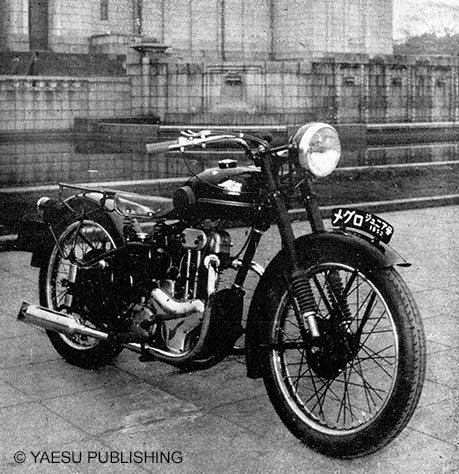
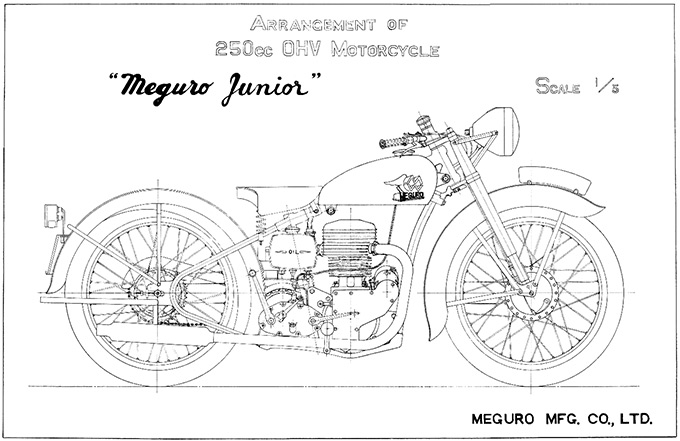
Meguro's first 250cc class model featured a 248 cm3, air-cooled, 4-stroke OHV, single-cylinder engine producing 7 PS at 4,000 min-1. The engine design was unique, with the pushrod housed inside the cylinder and an aluminium cover shielding the rocker arm. Initially, the rear tyre was rigid-mounted, but rear suspension was later added with the 1952 J2 model. The next progression was the S in 1953, which had a Y-shaped timing case, then the Junior S2 in 1954, which increased engine output to 10 PS. Following these models, the 1956 Junior S3 had a 10 mm longer wheelbase (1,410 mm total) and a longer rear suspension stroke. It became a best-seller thanks to its practicality.
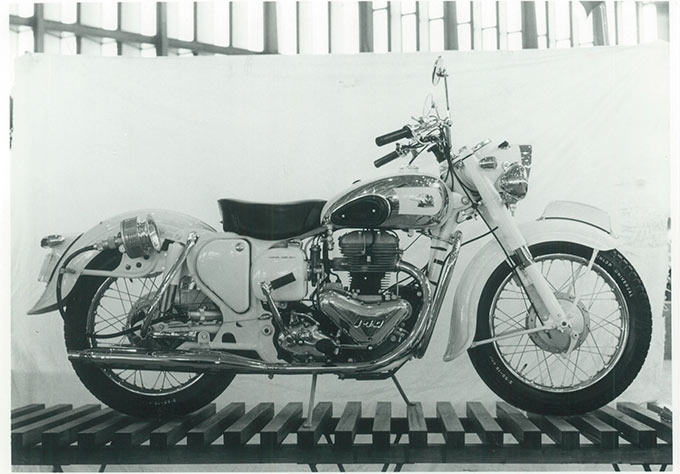
The Senior T was Meguro's first twin-cylinder model. Intended for police motorcycle use, it was designed and developed to be the highest-performing motorcycle in Japan. It mounted a 651 cm3, air-cooled, 4-stroke OHV Parallel Twin engine with a bore x stroke of 72 x 80 mm and maximum output of 29.5 PS at 5,200 min-1 in a double-cradle frame. Features like a 4-speed rotary transmission and swingarm-style rear suspension were included with the goal of reaching a top speed of 130 km/h, while electric welding and other manufacturing techniques allowed the frame and other bodywork to be manufactured more precisely.
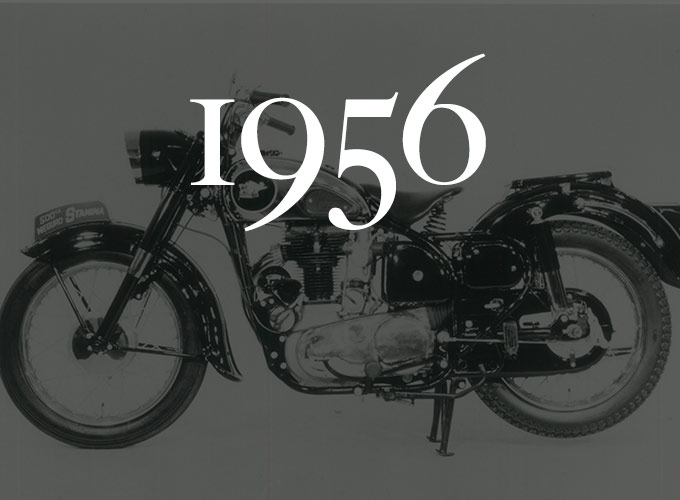
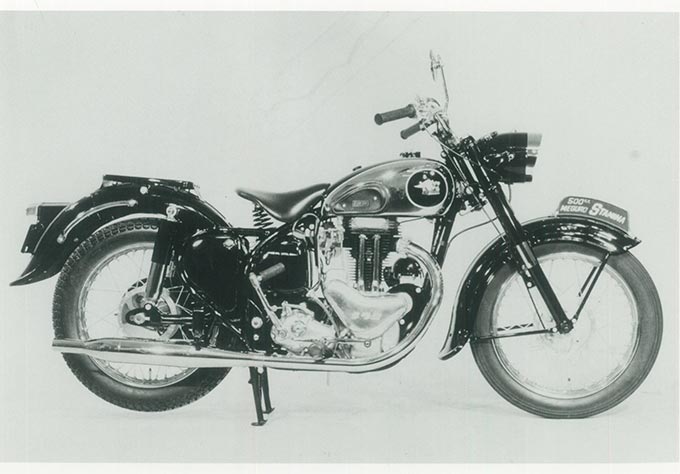
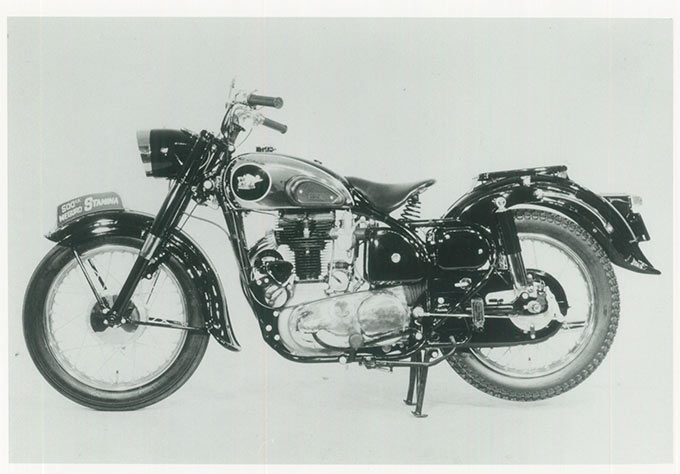
Meguro had given its models nicknames according to displacement class, with Senior for 650cc, Rex for 350cc, Junior for 250cc, and Regina for 125cc. When the 1956 500cc class model debuted, its nickname was announced: “Stamina.” Taking the 498 cm3 air-cooled, 4-stroke OHV, single-cylinder engine that had been developed and improved upon since it originally featured in the Type Z97, this model increased maximum output to 25 PS at 4,400 min-1. For the chassis, the rear suspension moved to a swingarm-style type. Thanks to the Stamina Z7’s excellent durability and reliability, it was used as a police motorcycle along with the Senior T and would become the final model of the Meguro Z series, a series that had been in production since before World War II.
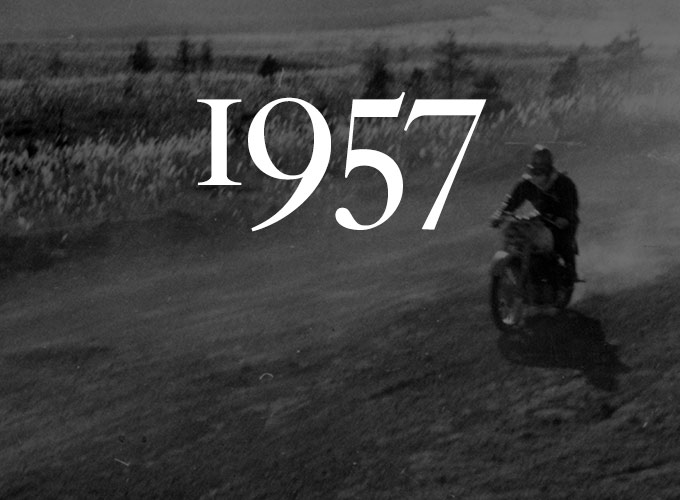
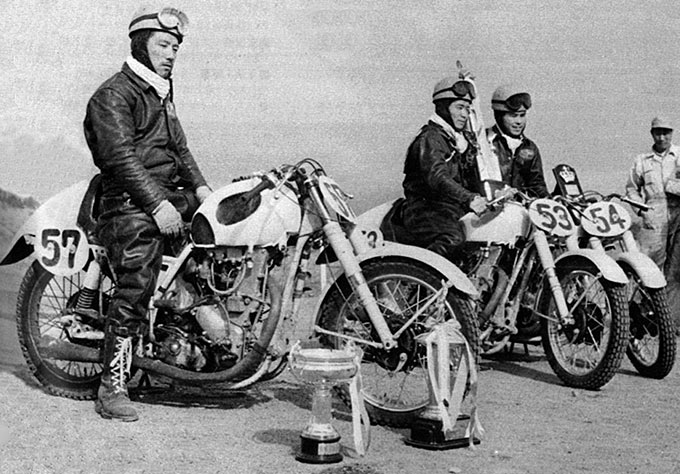
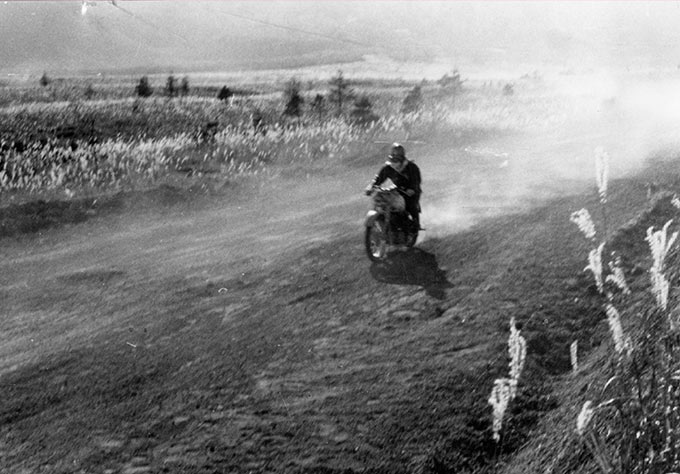
In 1957, the Second All Japan Motorcycle Endurance Road Race, also known as the Second Asama Volcano Race, was held at the Asama Kogen Automobile Test Course in Gunma, Japan. Meguro entered race bikes in three classes: the largest displacement Senior Class (500cc), the Light Class (250cc), and the Junior Class (350cc). The brand dominated the Senior Class, securing all the top positions. The winner of the race was Kazuomi Sugita (#57), who also set the fastest lap time, clearly demonstrating Meguro’s performance potential as sport brand in the racing scene.

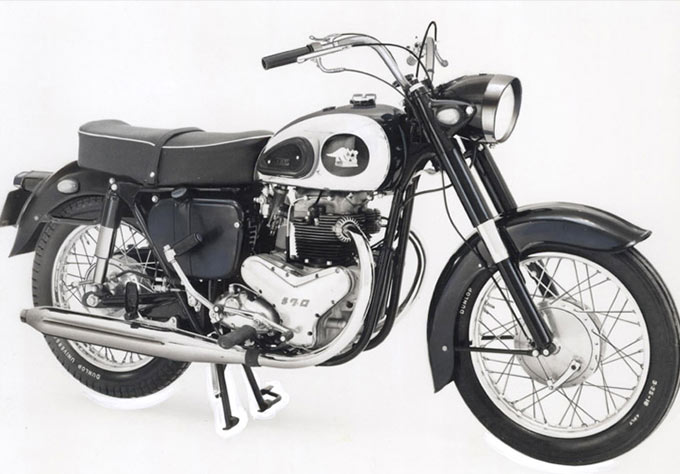
The Stamina name was carried over to the Stamina K, which featured a newly developed OHV Parallel Twin engine. The 496 cm3 engine had a bore x stroke of 66 x 72.6 mm and delivered 33 PS at 6,000 min-1, which, despite its smaller displacement, made 2 PS more power than the Senior T2, the successor to the Senior T. It could reach a maximum speed of 145 km/h. A twin carburettor version was also available to order.
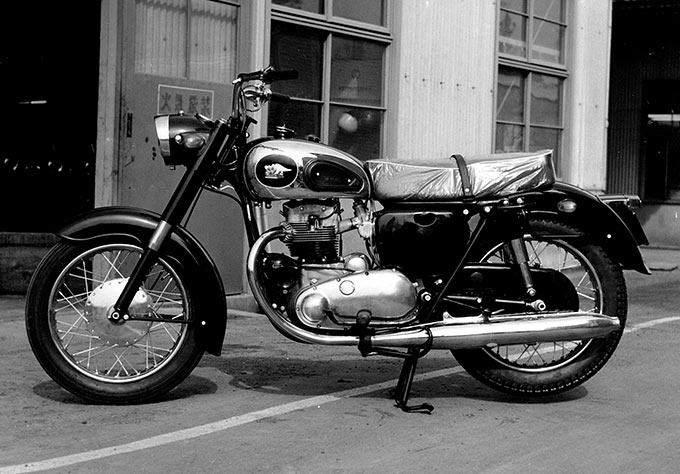
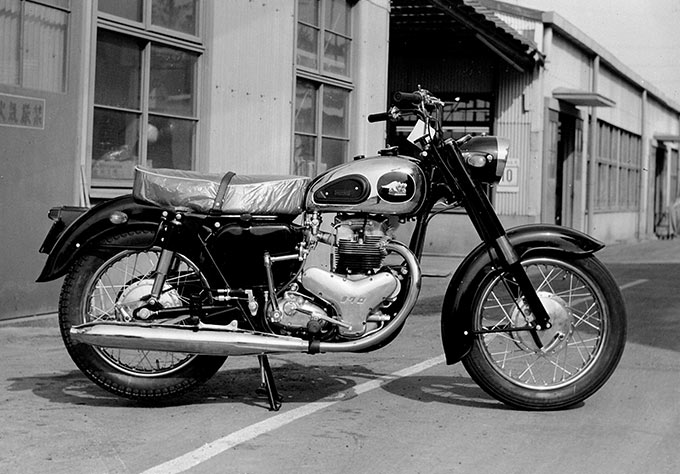

Inheriting the long-stroke OHV engine that had become the symbol of Meguro motorcycles, this new model featured a 248 cm3 OHV single-cylinder engine with more power. It could reach a top speed of 120 km/h and was also available as a two-seater model. The Kawasaki 250 Meguro SG remained in production until 1969. During its production, Meguro Manufacturing merged with Kawasaki Aircraft Co., Ltd., but the Meguro name remained on the bodywork until the end of the model's life. The distinctive styling carried over from the Junior era made its way into Kawasaki’s Estrella in later years.
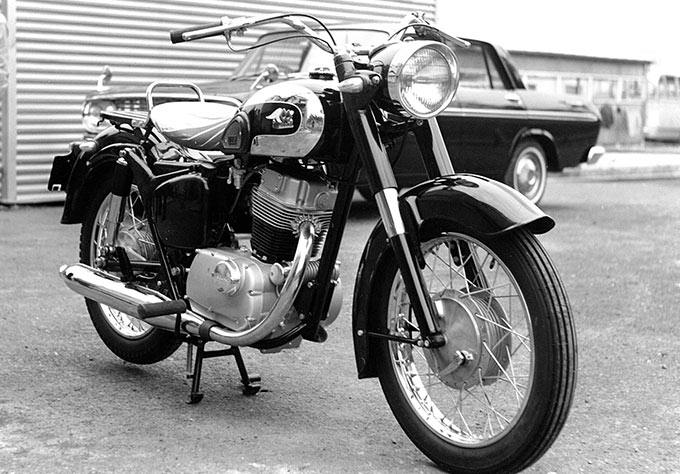
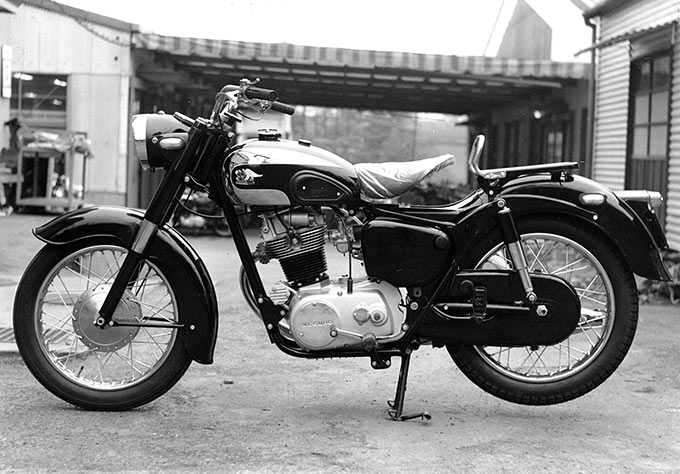

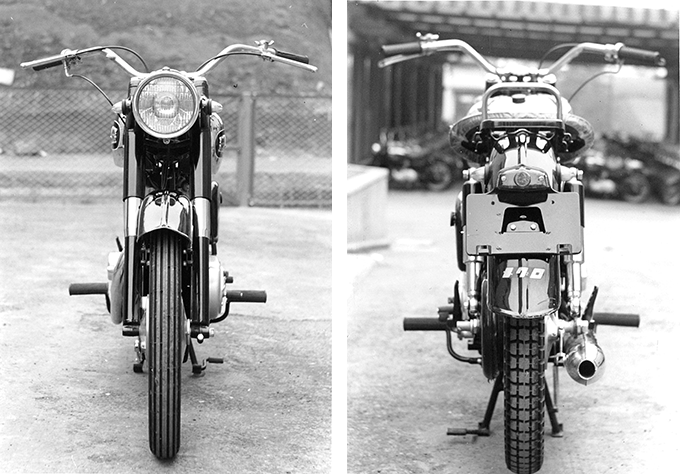
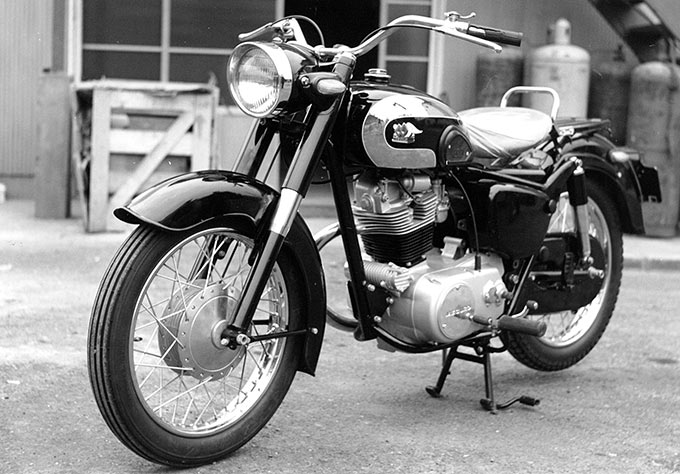

The Kawasaki 500 Meguro K2 was born after Kawasaki and Meguro formed a business alliance in 1960. Its engine was derived from the Stamina K, a Parallel Twin of the same displacement launched by Meguro in 1960. Thanks to a redesign by Kawasaki Aircraft Co., Ltd., the Kawasaki 500 Meguro K2 lost 16 kg, going from 210 kg to 194 kg, in spite of greatly improved durability compared to the Stamina K. Its maximum speed also increased from 145 km/h to 165 km/h. This model became the basis for the 650-W1 that was developed later with further improvements. Meguro Manufacturing’s state-of-the-art technologies, including the pipe frame design and its manufacturing techniques, were used in the production of the 650-W1, which went on to have a great influence on later Kawasaki large-displacement motorcycles.


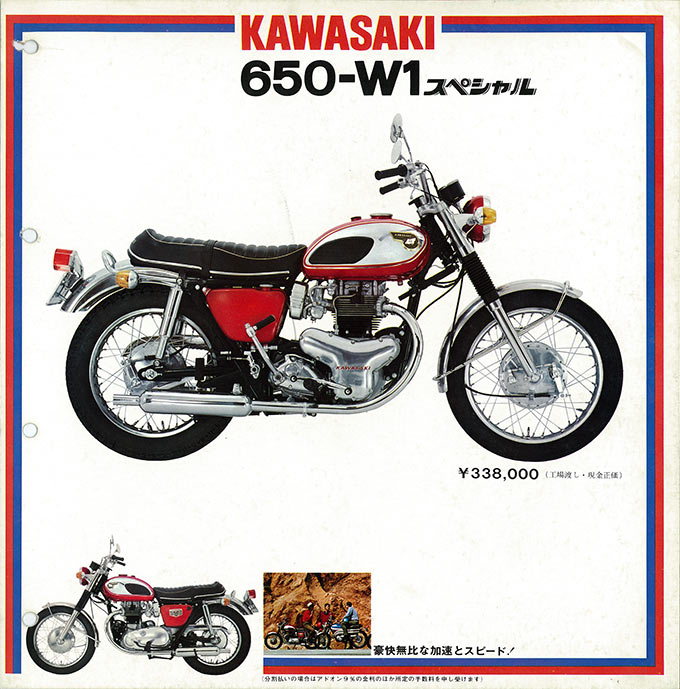
Of all the export markets, America was of particular importance. Kawasaki had already broken into the US market with its 125B8, but to tackle America’s big-bike market they began to prepare a larger-displacement version of the K2. The 496 cm3 engine’s bore was increased by 8 mm, bringing displacement to 624 cm3. A prototype model with the larger displacement was displayed at the 12th Tokyo Motor Show in 1965. Meanwhile in Kawasaki’s Akashi Factory, mass production of the new W1 was already underway, with new units rolled off the line and arranged neatly, ready for sale. Compared to the K2’s 165 km/h top speed, the W1 could exceed 180 km/h, and in the 0-400m, it recorded a time of 13.8s. Selected with the American market in mind, the fuel tank – often considered the centrepiece of a motorcycle – was coloured a brilliant candy red and complemented by high-quality chrome pieces. The novel design was a bold statement, in stark contrast to the subdued tones of other Japanese motorcycles. It was unveiled to great acclaim at events all across America in February 1966, with orders pouring in before sales even began. With the W1, Kawasaki gained worldwide recognition as a big-bike manufacturer.

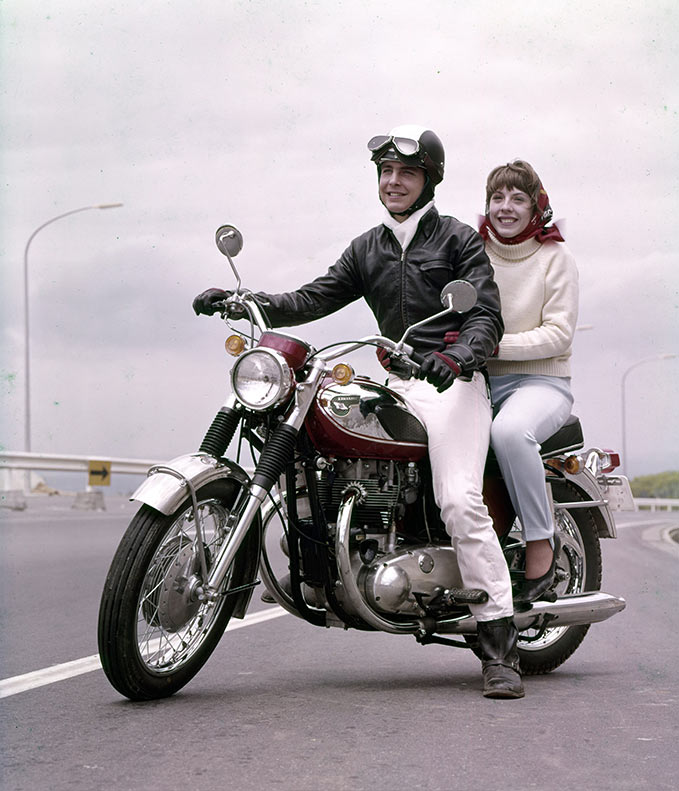
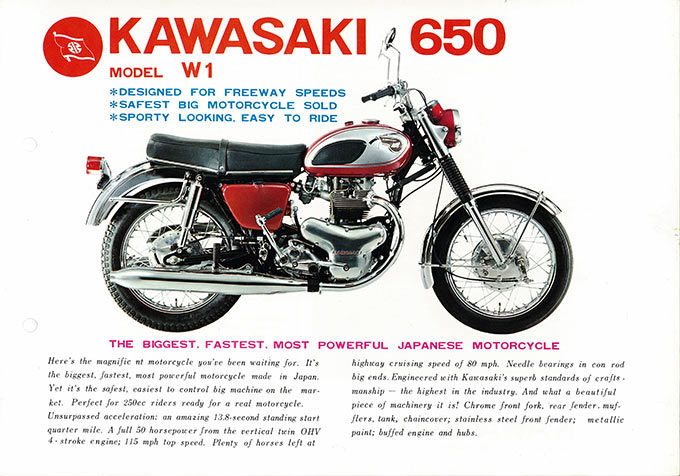
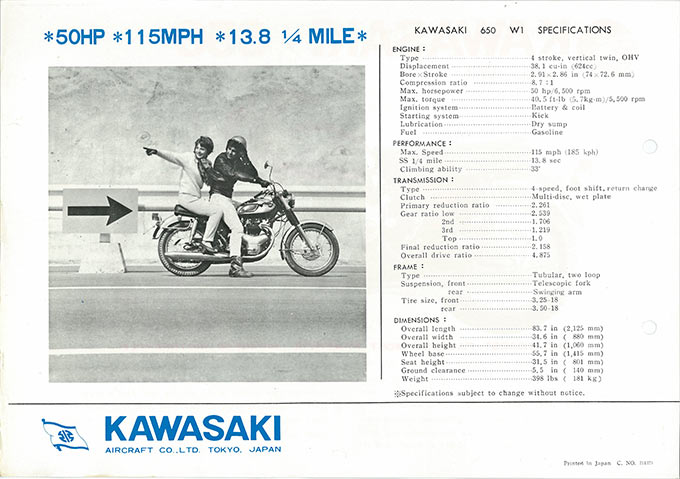
in World Expansion
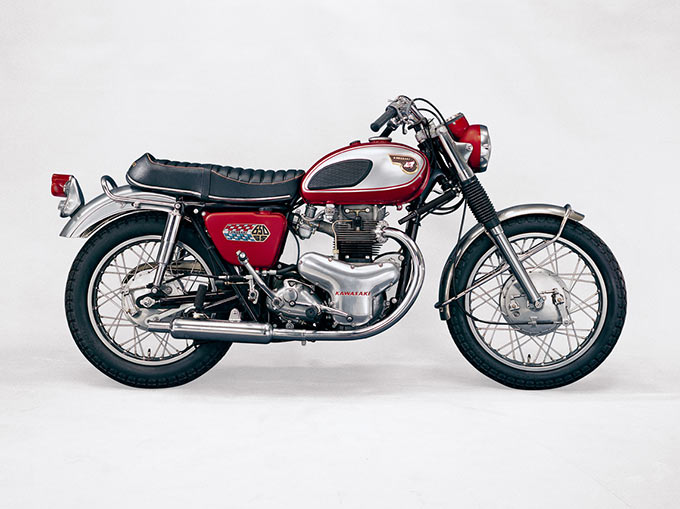
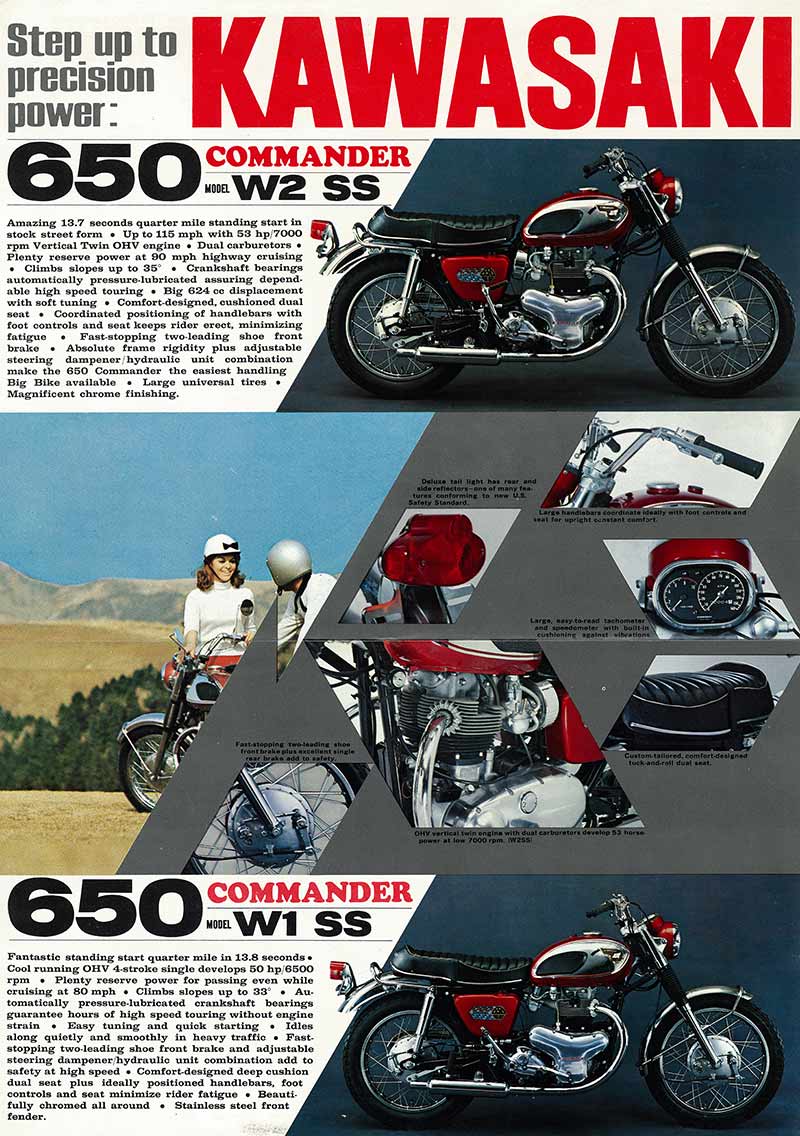
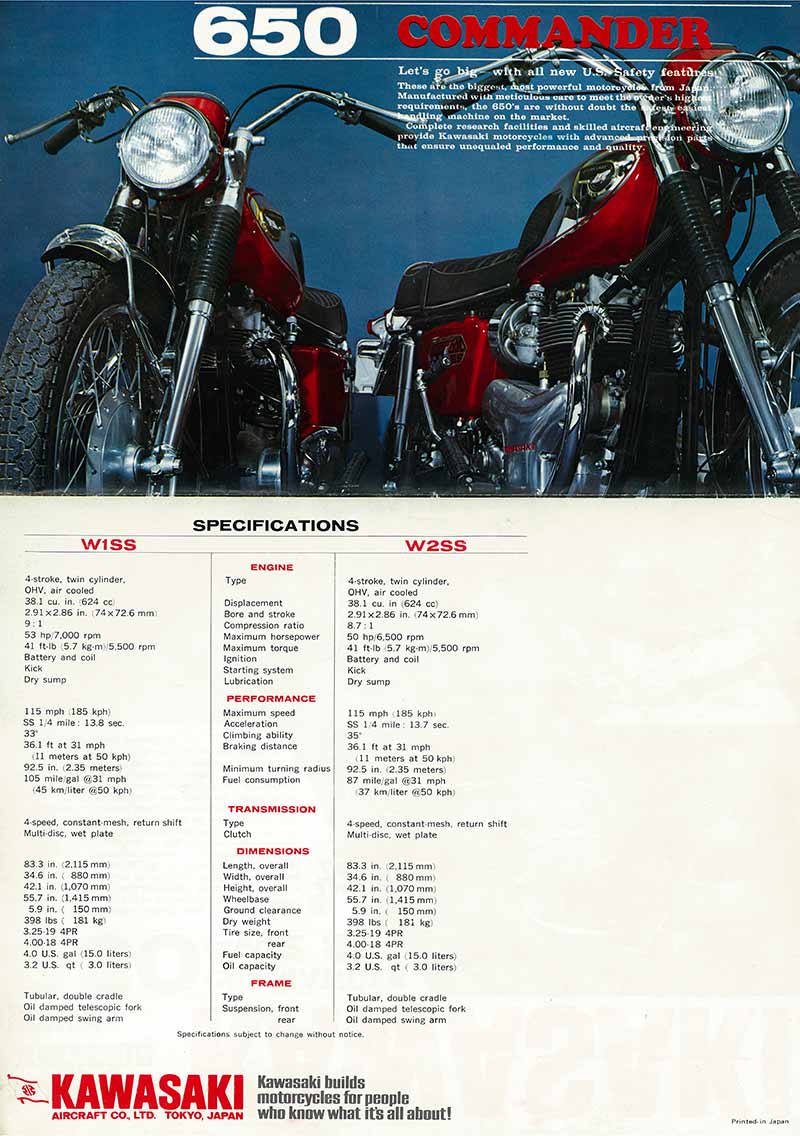
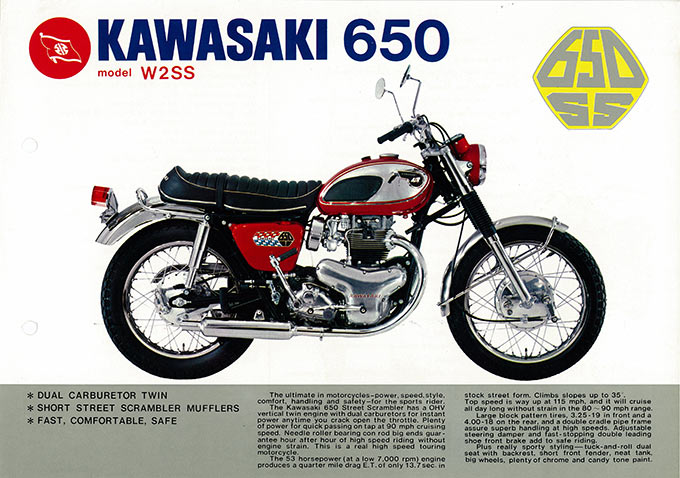
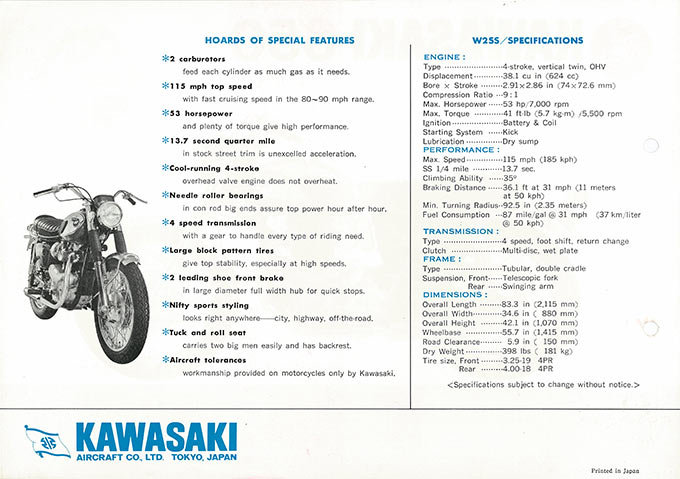
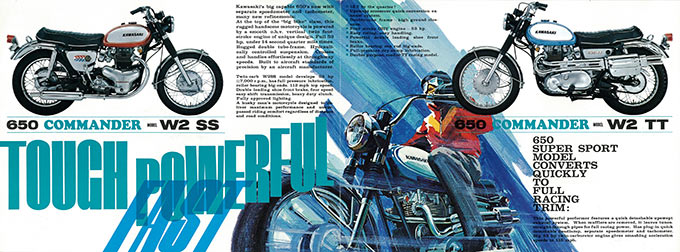
To meet the wide needs of the North American market, Kawasaki developed two variation models. The W1SS featured racing flag-themed chequered decals on its side covers, short mufflers that delivered a loud popping exhaust note, and short, sporty fenders. To that, the W2SS added twin carburettors and larger, ø38 mm intake valves (increased 2 mm), which brought power from 47 PS at 6,500 min-1 to 53 PS at 7,000 min-1.


the Highway Age
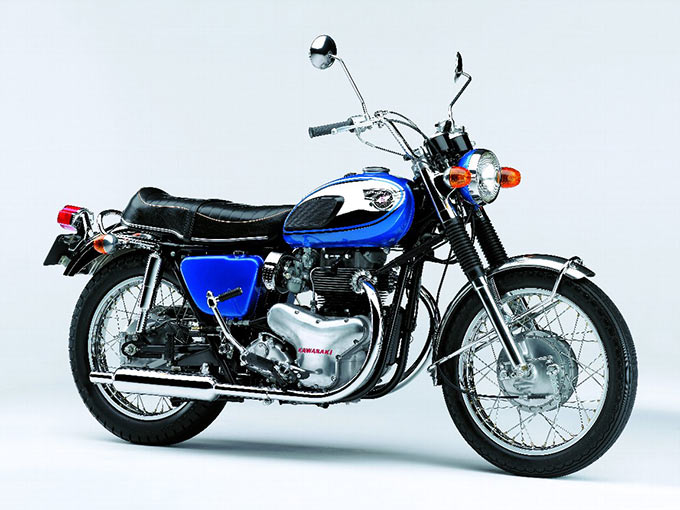
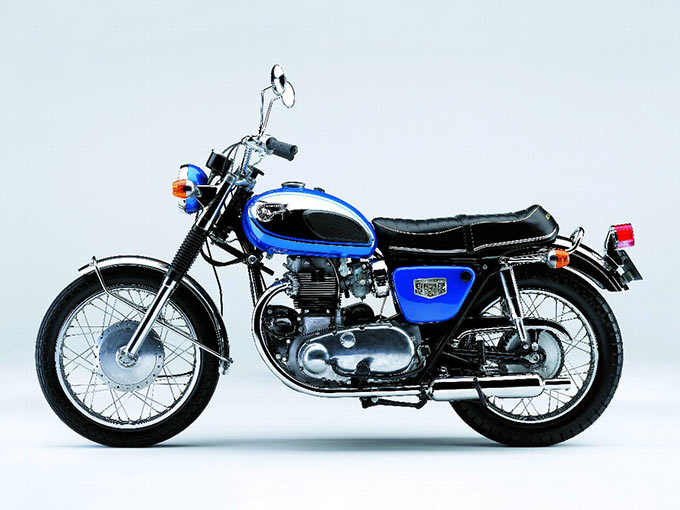
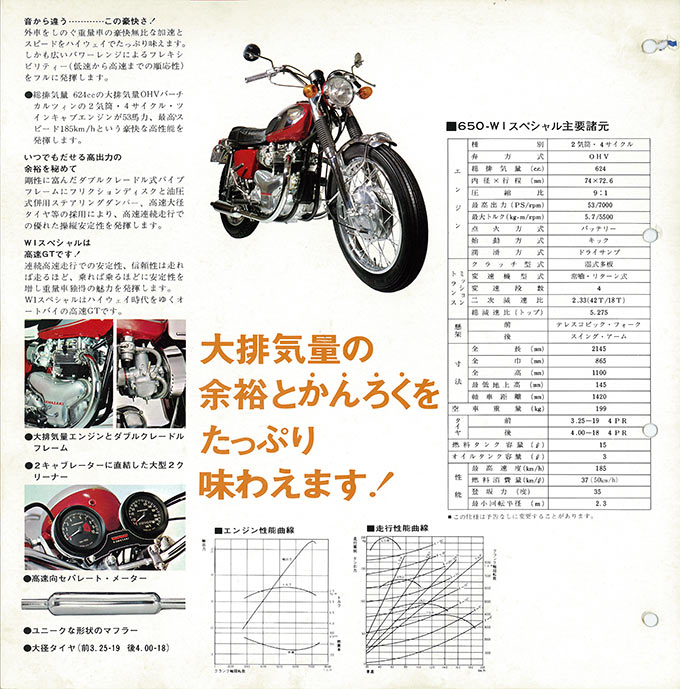
The W1S (Special) was a Japanese-market version of the W2SS. It too featured twin carburettors, and offered the same 53 PS output as the W2SS. While W1 instrumentation combined the speedometer and tachometer into a single housing unit, the W1S separated them. Interestingly, until the initial W1S model, the W models featured taiko-style turn signals (each with dual lenses facing both forward and aft like the Japanese drums after which they were named) mounted on long stays. The US regulation-compatible turn signals and a full-scale speedometer indicating 220 km/h, concessions for the global market, were ideal features for Japan’s blossoming Highway Age.

North America
The W2TT was a scrambler model complete with high-position mufflers. The chrome-accented fuel tank was replaced with an all-paint tank in later years, a change that marked a turning point in the tank design of future models. Capitalising on the big-bike boom initiated by the W Series, Kawasaki introduced the 498 cm3 2-stroke Triple H1 (Mach-III) the same year. Its fuel tank had a two-tone design like the W models, adding to a conspicuous design that made it stand out even among other large-displacement machines.


Its Rich Character
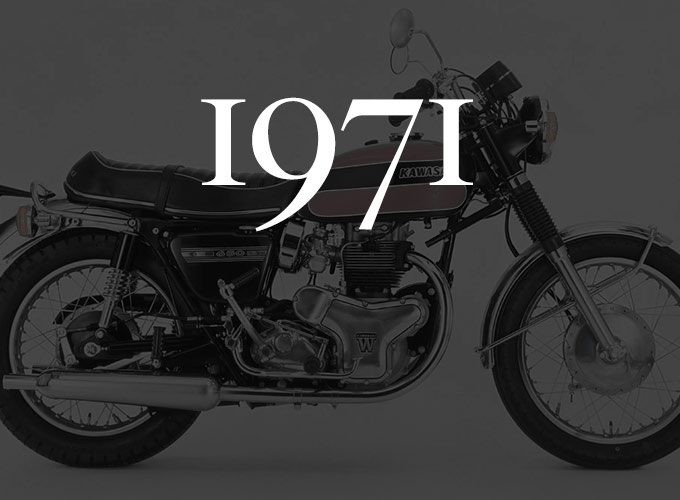
In the late 60s, the H1/H2 (Mach) Series was enjoying success in the North American market. When the Z1 (900 super4) was released in 1972, it was an explosive hit. The Kawasaki name was becoming synonymous with big bikes. Meanwhile the popularity of the Vertical Twin-powered W Series was firmly rooted in the Japanese market. The W1SA, which swapped English-style controls (right-foot gear shift lever, left-foot brake pedal) for a German-style arrangement (left-foot gear shift), was well received. The W Series was top of mind when it came to big bikes with a rich character.
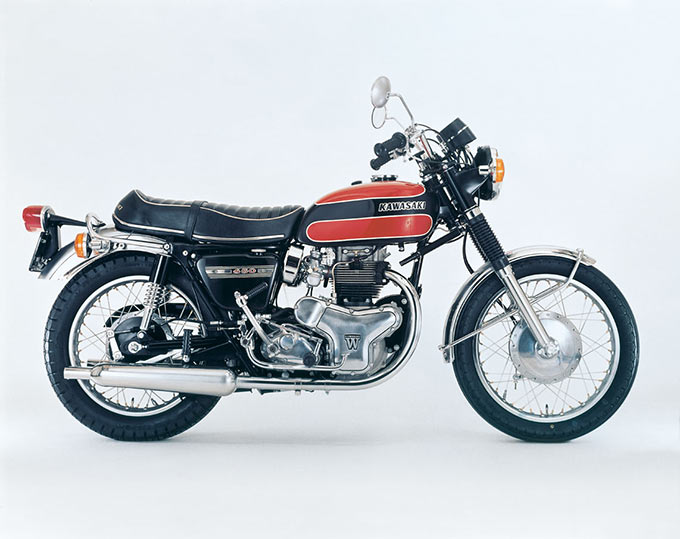
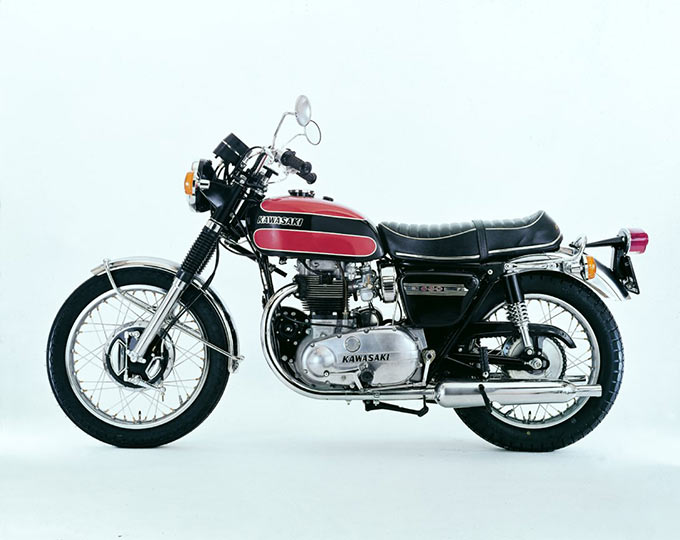


The 1973 650-RS (W3) was the first Kawasaki to feature dual front disc brakes. When the Z2 (750RS), a downsized version of the Z1 (900 super4), was released for the Japanese market, it launched a 750 boom. But the characteristic engine feeling offered by W Series models ensured that their popularity continued, especially among Japanese fans of traditional models. Production of the 650-RS ended in 1974, but when it became known that sales were going to end, new model prices received a premium mark-up – an extremely rare phenomenon for the time.


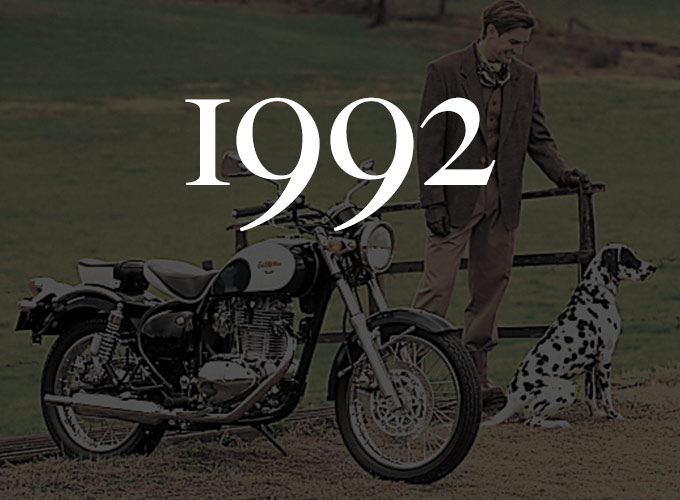
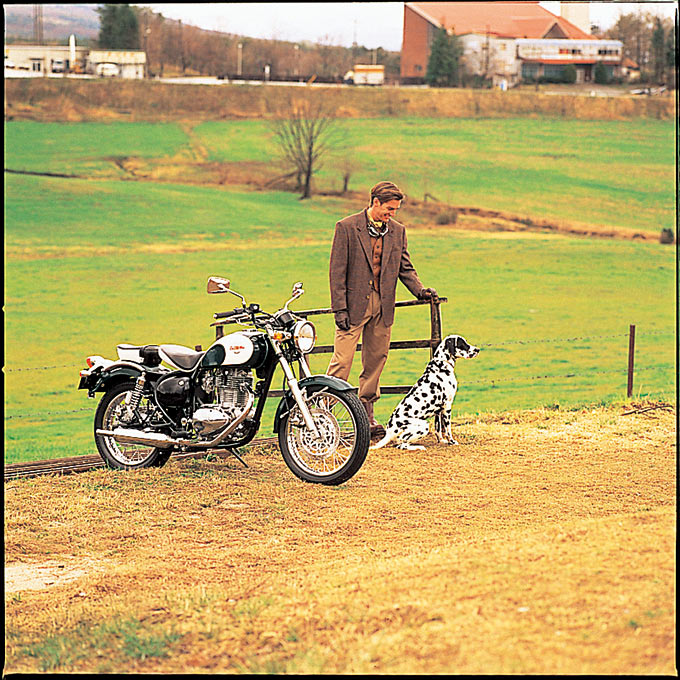
The design of the 1992 Estrella was greatly influenced by a predecessor of the W Series, Meguro’s hit model, the Kawasaki 250 Meguro SG. The Estrella’s arrival was praised as a return of classical styling. Its engine offered the beat that one would expect from a “true” motorcycle, strong low-mid range performance, and an exhaust note that could be enjoyed at a relaxed pace – all appealing properties reminiscent of the W Series. With their common DNA, they could be said to be related. Trading its characteristic dual saddles for a more orthodox double-seat, the Estrella is currently available as the W250, a popular addition to the W Series.

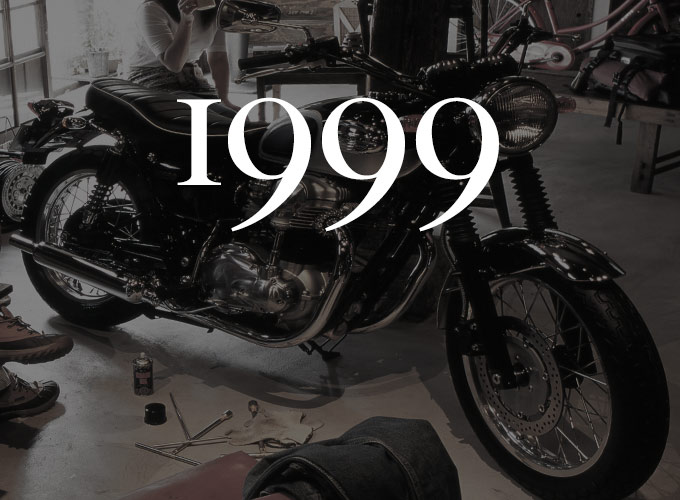
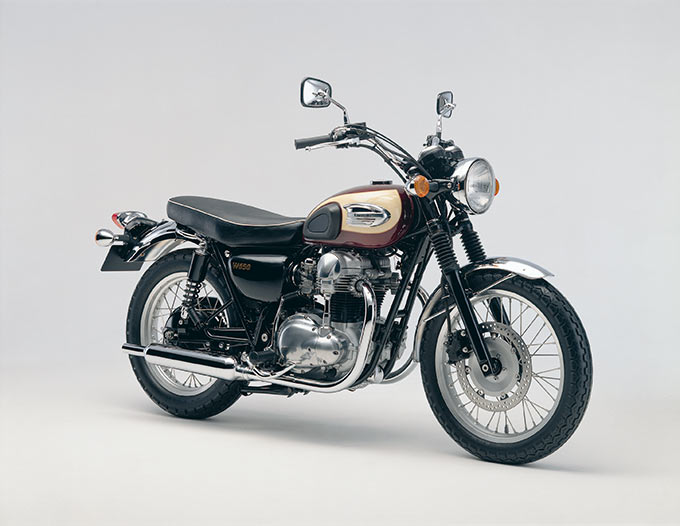
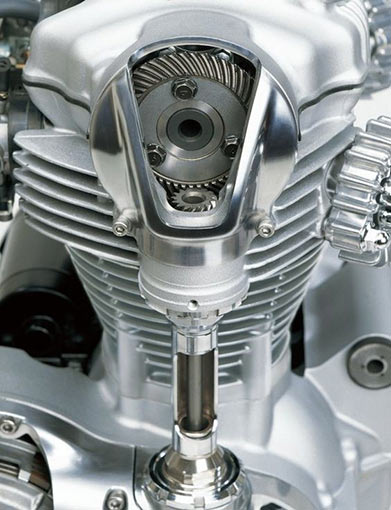
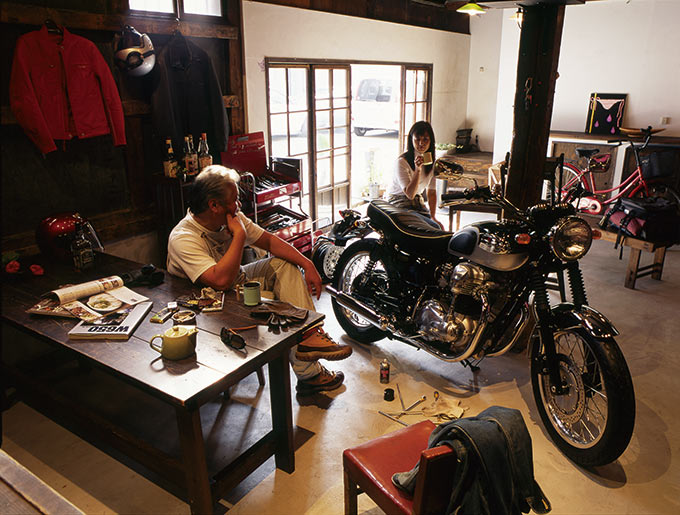
Returning after a quarter-century absence, the new W model was powered by an all-new air-cooled Vertical Twin engine. A 360º crankshaft offered a unique pulse, adding to its rich character. Although it had a 675 cm3 displacement, the new model was named W650 – a link between the old series and new W era that was starting. The cam chain tunnel of the early W models was replaced by a more intricate and costly bevel-gear cam drive and a SOHC 8-valve head, a design that resulted in a simple, elegant design for the cylinder head area. Matching bodywork worthy of the W name, the engine itself was a piece of art. With a production run that spanned a decade, it brought joy to a wide range of riders until the 2009 limited-run final-edition.

a Wider Fan Base
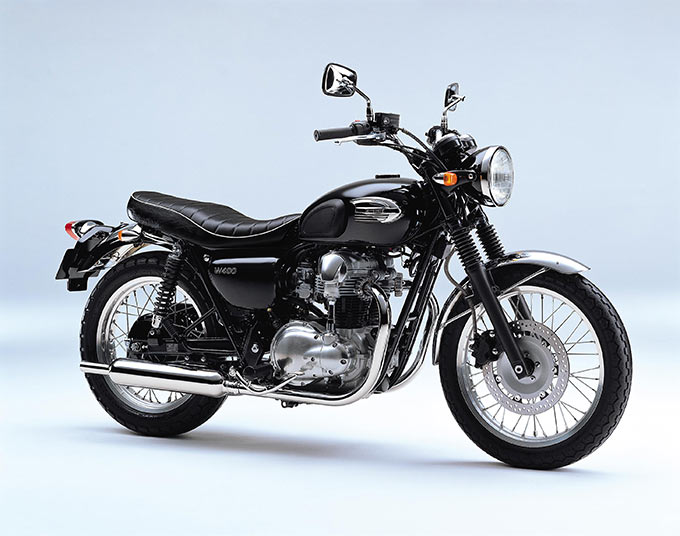
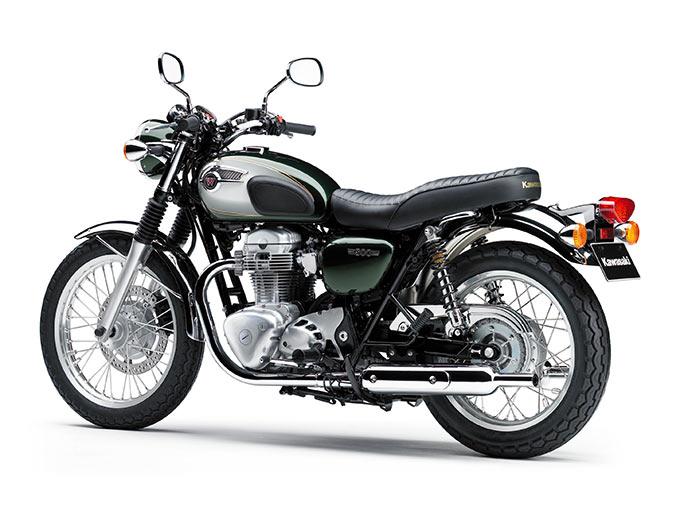
The W400 was released in 2006 to accommodate the Japanese licensing system. To make it user-friendly for new riders, it featured a low seat height. In a distinct departure from absolute speed and power, the rider-friendly chassis design proved popular and welcomed a whole new range of riders to the W world.


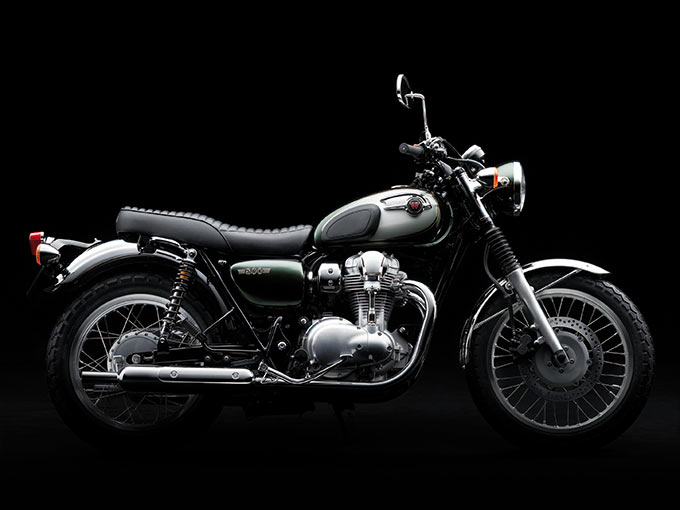
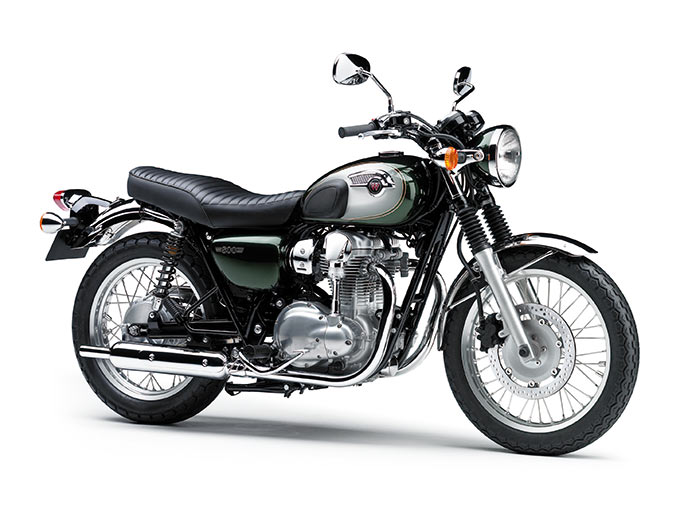
The W800, a successor to the W650, arrived. With a bore and stroke of 72 x 83 mm (bore was 5 mm greater), displacement increased from 675 cm3 to 773 cm3. Like the W650, it featured timeless good looks and twin peashooter mufflers that delivered the sonorous exhaust note one would expect from a Twin engine. Traditional dual-dial instrumentation, chromed steel fenders, and a buffed finish or clear coat finish on numerous parts were among the many W Series details that it inherited. A final-edition model was released in 2016, marking the end of production.
W BRAND 60TH ANNIVERSARY